

What if your guilt for saying “no” isn’t a moral flaw—but a sign of healing?
If saying “no” makes your stomach twist, you’re not alone. So many of us—especially those raised to prioritize others—struggle to set boundaries without guilt. But here’s the truth: boundaries aren’t rude. They’re rooted in neuroscience, self-respect, and emotional well-being.
When we say no from a grounded place, we create space for the things that truly matter—our energy, our clarity, and our peace of mind.
In today’s episode, you’ll learn how to recognize the hidden trauma response behind people-pleasing and how to say no in a way that honors both yourself and your relationships.
Key Takeaways:
- Why people-pleasing is often a fawn trauma response
- What neuroscience teaches us about boundaries
- How guilt shows up when you start changing old patterns
- A clear, kind 3-part script to say no without over-explaining
- How to reclaim your energy and self-respect by saying “no”
Most of us weren’t taught how to say no. We were taught to avoid conflict, make others happy, and sacrifice our own needs. But neuroscience shows us that boundaries are essential to mental and physical health.
This episode offers a compassionate breakdown of why saying “no” is hard, how guilt is part of the healing, and how to use a script that protects your peace—without the guilt trip.
Saying ‘no’ isn’t selfish. It’s the most loving thing you can do—for yourself and others.
Lucinda Loveland
Loved this episode?
Share it with a friend who struggles to say no—and subscribe for more therapist-guided insights on emotional healing.
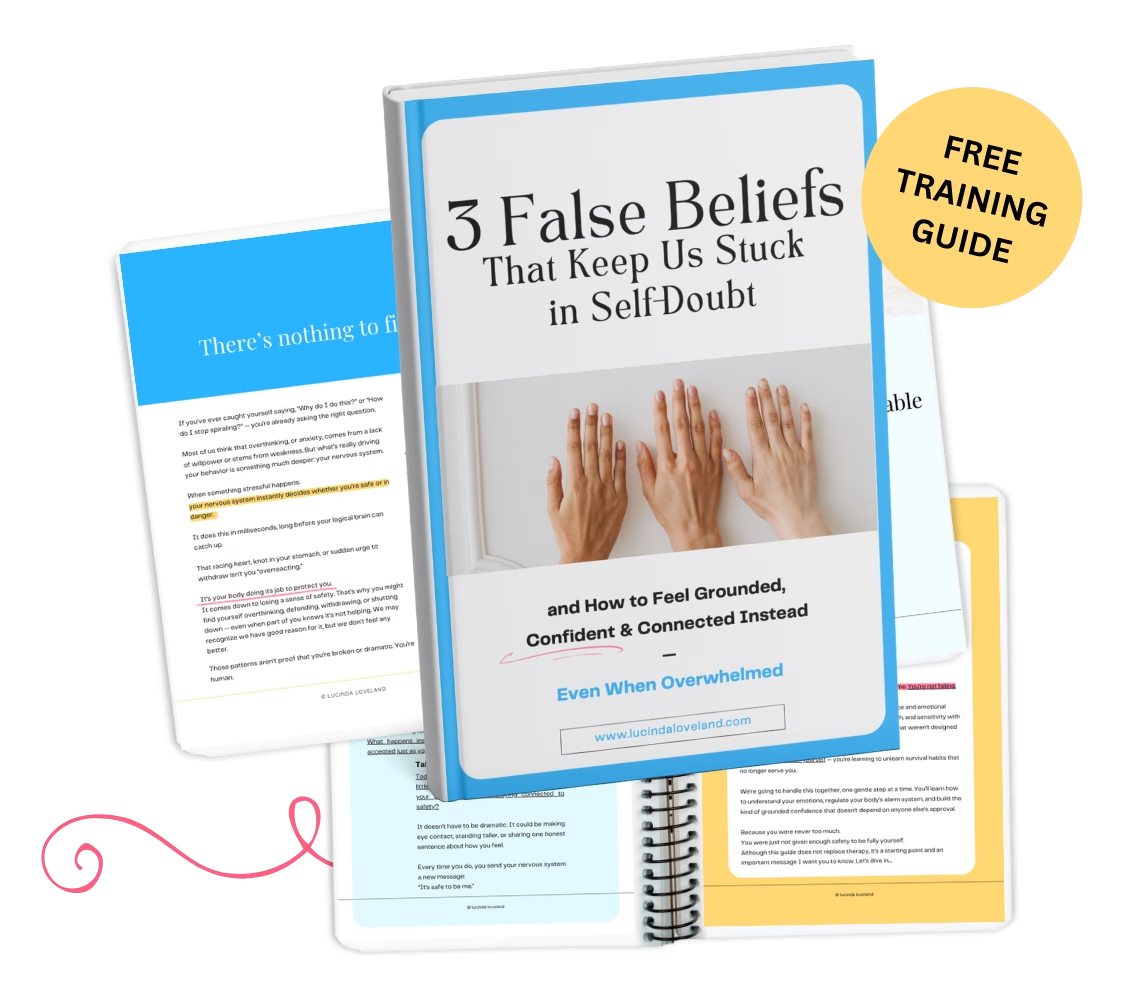
FREE EBOOK
Feel more grounded, confident & connected
This free, therapist-guided ebook debunks the 3 common false beliefs we all fall for no matter how successful we are, and flips them into truths we can use as anchors.